


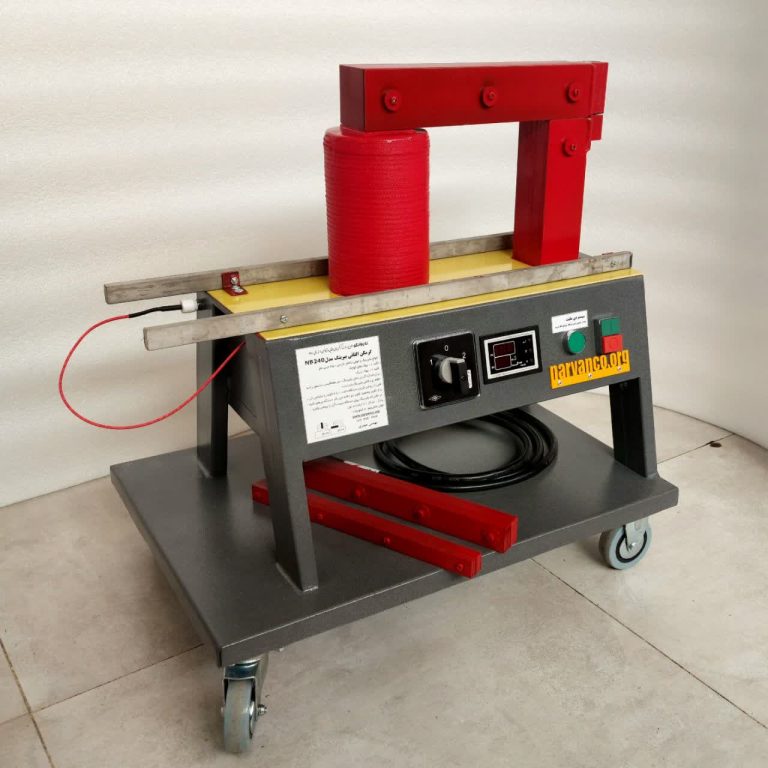
When it comes to sensitive industrial equipment and mechanical components, the term “bearing” always ranks high on the list. Bearings are the beating heart of many machines, but what happens when the ambient temperature drops or they are subjected to heavy loads? This is where concepts like “bearing heaters” or pre-heating systems become important. But what exactly do these terms mean, and why do large industries need them?
Introducing the Concept of Bearing Heaters
The term “bearing heater” might be slightly misleading at first glance, as the bearing itself typically doesn’t require heating; rather, the primary goal is to maintain an optimal temperature for the lubricating oil and prevent an increase in its viscosity (thickness) in cold conditions. In essence, these systems are a set of tools or methods designed to heat the bearing housing or the oil within it to ensure optimal performance.
In industries such as power plants, refineries, and mines, machinery often operates in cold environments or experiences severe temperature fluctuations. If a bearing is subjected to heavy loads without pre-heating, the lubricant becomes viscous and cannot create the necessary protective film between the moving parts. This leads to rapid wear, premature failure, and even sudden production line stoppages. Therefore, bearing heating systems act as a preventive solution.
Why Do We Need to Heat Bearings?
The reasons for using these systems are multifaceted and directly impact the component’s service life:
- Reducing Oil Viscosity: At low temperatures, industrial lubricants thicken. This viscosity causes the bearing’s balls or rollers to experience high friction. Initial heating thins the oil, bringing it to its ideal lubrication point.
- Preventing Thermal Shock: The sudden introduction of hot oil into a cold bearing, or vice versa, can cause abrupt expansion and contraction of the metal. This thermal shock can damage the bearing seat.
- Eliminating Moisture and Freezing: In cold, humid environments, moisture can accumulate inside the bearing, leading to corrosion. Continuous or periodic heating evaporates this moisture and prevents the formation of ice, which impedes rotation.
Methods of Bearing Heating
Bearing heating systems are generally categorized into two main types:
- Induction Heating Systems: This is the most modern and common technique for mounting bearings. In this method, an induction device creates a magnetic field that heats only the inner ring of the bearing. This heat causes the inner ring to expand, allowing the bearing to slide effortlessly onto the shaft. The key advantage is that this method heats only the specific component without affecting the lubricant or other surrounding parts.
- Permanent Heating Systems (Oil Bath or Electric Heaters): In certain cases, particularly for large turbine bearings, systems are installed to permanently maintain the temperature of the oil within the bearing housing. These systems typically utilize electrical elements or heated oil circulation circuits to keep the oil temperature within a specific range (e.g., 50 to 70°C), ensuring the machinery is ready for operation at any given moment.
Benefits of Using Heating Systems
Implementing these technologies is not merely an additional expense but a strategic investment aimed at reducing long-term costs.
- Extended Service Life: When a bearing operates at an optimal temperature, wear is minimized, significantly extending the intervals between replacements.
- Reduced Downtime: In sensitive production lines, every minute of downtime translates into financial loss. With a heating system, machinery can operate at full speed and efficiency immediately upon startup, eliminating the need for a “warm-up” period.
- Enhanced Safety: Sudden bearing failure can lead to hazardous incidents or fires. Precise temperature control drastically reduces the risk of such occurrences.
Safety and Maintenance Tips
Despite their numerous benefits, the use of heating systems requires adherence to safety protocols. The heater temperature must never exceed the manufacturer’s specified limits. Overheating can alter the surface plating properties of the bearing or degrade the lubricant. Furthermore, constant monitoring of thermostats and temperature sensors is essential to prevent system failure.
Conclusion
In summary, bearing heaters and their associated systems are vital tools for ensuring the stability and efficiency of machinery under demanding operating conditions. By managing temperature and oil viscosity, these systems prevent premature failures and significantly increase industrial productivity. For technical managers and maintenance engineers, understanding and properly implementing these technologies is not just an option—it is a necessity.

No comments yet.